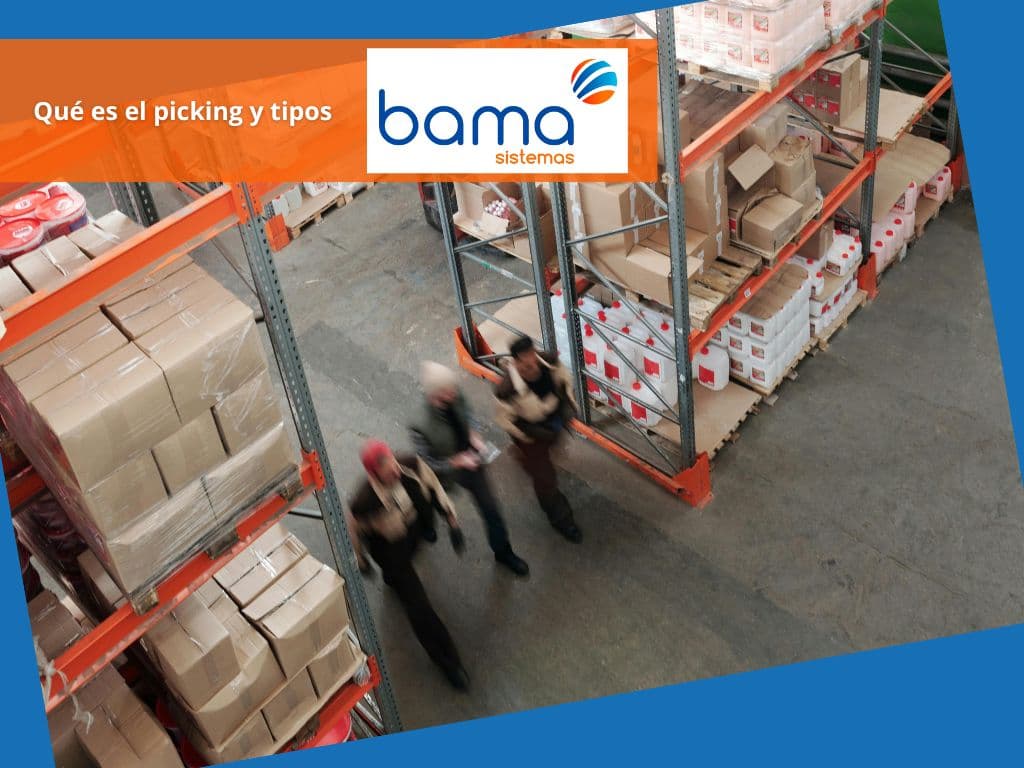
Efficiency in warehouse management is crucial to the success of any company in the logistics sector. One of the most important activities in this process is picking. At BAMA, we specialize in warehouse automation and robotics, optimizing every stage of the logistics process to deliver innovative, efficient solutions. Today, we explain what picking is and the different types of picking systems that exist.
What is Picking?

Picking is the process of selecting and collecting products in a warehouse to fulfill customer orders or to supply production lines. This process is essential to ensure that the right products are shipped within the established timeframe and to achieve the highest possible operational efficiency.
Types of warehouse picking systems
There are two main picking systems that can be implemented in a warehouse, each with its own advantages and specific applications. Below is a brief overview of the main types of picking used today:
Automated picking
After learning about the different order-picking methods and their application depending on the type of warehouse, it is important to take a closer look at one of the most advanced solutions in the logistics sector: automated picking. This system represents a further step in process optimization, especially in environments with a high order volume and a need for maximum efficiency.
Automated picking is based on the use of technologies such as smart conveyors, autonomous mobile robots (AMRs), stacker cranes, or goods-to-person systems, which bring the product directly to the operator or even prepare the order without human intervention. Unlike manual picking, movement within the warehouse—one of the biggest hidden costs in logistics—is drastically reduced.
Key advantages of automated picking
- Higher productivity: enables more orders to be prepared in less time.
- Fewer errors: automated systems minimize human error.
- Scalability: adapts to business growth without a proportional increase in headcount.
- Better use of space: ideal for vertical or high-density warehouses.
However, automated picking is not the ideal solution for every case. It requires a high initial investment and is usually more cost-effective in operations with high SKU turnover and steady demand. For this reason, many companies opt for hybrid models, combining manual and automated picking to maximize results.
Manual Picking
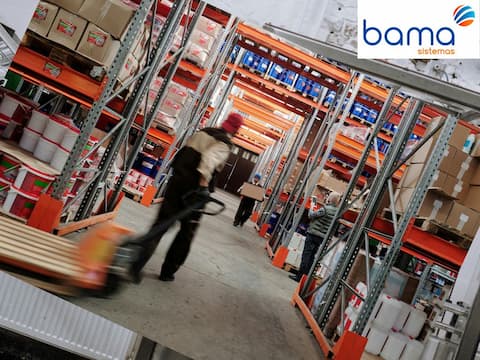
Manual picking is the traditional method in which operators manually select products from the shelves. This method is more common in smaller warehouses or those with low-volume, low-turnover products. However, there is much more about manual picking on our blog.
Automated picking systems
Automated picking systems use robots, stacker cranes, and advanced technology to select and transport products within the warehouse. These systems are highly efficient and can operate 24/7, reducing labor costs and increasing throughput.
Advantages of automating picking systems
Automating picking systems brings numerous advantages, including:
- Greater accuracy: Automation reduces human error, ensuring that the correct products are picked and shipped.
- Speed and efficiency: Automatic and semi-automatic systems can process orders much faster than manual methods.
- Reduced labor costs: Automation decreases the need for intensive manual work, reducing labor costs.
- Improved safety: Automated systems minimize the risk of workplace injuries by reducing manual handling of heavy or hard-to-reach products.
At BAMA, we understand that each warehouse has unique needs and, therefore, we offer customized automation and robotics solutions to optimize your picking operation. From manual picking to the most advanced automated systems, we are here to help you choose and implement the best solution for your business.
Frequently asked questions about picking and types of picking systems
How do I know whether my warehouse needs an automated or manual picking system?
The decision depends on several factors: daily order volume, inventory turnover, available space, and budget. A technical analysis makes it possible to assess whether it is best to keep manual picking, fully automate it, or implement a mixed system.
What types of products are best suited to automated picking?
Automated picking is especially useful in warehouses with high-turnover products, standardized dimensions, or considerable weight. It is also ideal when the goal is to operate 24/7 with minimal human intervention.
Can manual and automated picking be combined in the same facility?
Yes; in fact, it is a common solution. Many companies combine automated zones for high-demand products with manual areas for specific items, low-turnover products, or those that require special handling.
What mistakes are commonly made when implementing a picking system without automation?
Some of the most common mistakes include poor design of picking routes, lack of stock organization, or the absence of tracking tools. All of this can lead to downtime, order errors, and lower productivity.
What impact does picking have on the end customer experience?
Efficient picking ensures that orders are dispatched correctly and on time. A single error at this stage can affect customer satisfaction, generate returns, and damage the company’s image.
How does technology influence picking accuracy?
Technology significantly improves picking accuracy through the use of sensors, scanners, machine vision, and integrated systems that guide every movement. This reduces human error and improves process traceability.
What can Bama do to optimize picking in an existing warehouse?
At Bama, we analyze current operations, identify bottlenecks, and propose tailored solutions—from improvements to manual picking to the implementation of robotic systems. All with the aim of increasing efficiency without having to change the entire infrastructure.