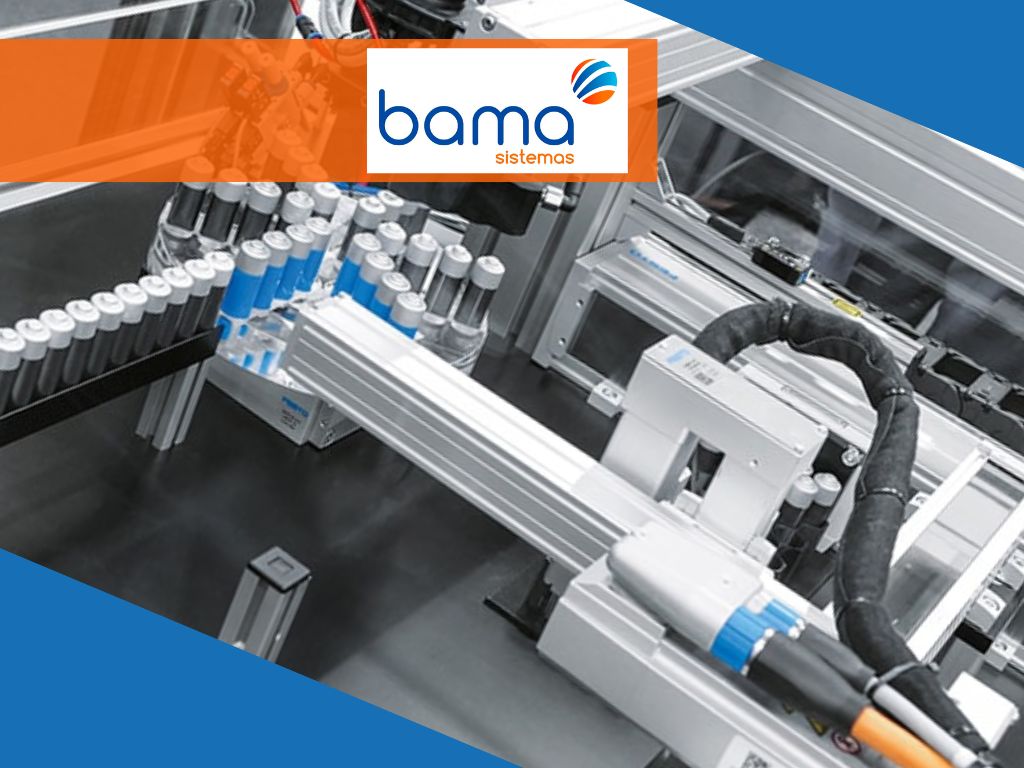
You have surely heard the term automation, but you may not have realized everything it entails. Here we will explain what industrial automation is and provide you with a broader view of everything it encompasses and the possibilities it opens for your company. At BAMA, we specialize in industrial automation of production lines and, as experts, we want to make available to you all the information and knowledge we apply daily with our clients.
What is Meant by Industrial Automation
Industrial automation is the set of techniques used to control autonomously or semi-autonomously the production processes in industrial environments. Industrial automation combines the use of machinery, control systems, and software to perform tasks in an unattended manner previously executed manually by human operators.
Industrial automation seeks to increase efficiency, precision, and safety in production, while reducing operational costs and cycle times. It is a constantly evolving field that integrates hardware and software to improve the productivity and competitiveness of industrial companies.
Benefits of Industrial Automation
The main advantages and benefits of implementing industrial automation strategies are:
- Increased efficiency and productivity in production processes.
- Reduction of operational costs and greater profitability.
- Improvement in the quality of the final product by reducing human errors.
- Greater flexibility in production to adapt to market changes.
- Optimization of manufacturing times and reduction of response times.
- Greater safety in the work environment by reducing workers’ exposure to risks and repetitive tasks.
Industrial Automation and Robotics
Industrial automation and robotics are two closely related areas of great relevance today. Automation, which involves the use of technology to perform tasks automatically, is enhanced by robotics, which focuses on the design, construction, and operation of robots for various functions within process automation.
The introduction of robotics has acted as a catalyst in the implementation of automation in companies, accelerating its adoption and expanding its applications. This symbiosis between industrial automation and robotics has revolutionized the industry, enabling mass production of high-quality and precision products. Furthermore, the presence of robots in work environments has significantly improved working conditions and increased safety in factories.
Robotics has acted as a catalyst in the implementation of automation in companies – BAMA
Applications of Robotics in Industrial Automation
Robotics has revolutionized the industry by offering innovative solutions in process automation. Thanks to its various applications, such as welding, assembly, or material transport and sorting, robots have increased efficiency and precision in industrial production. Additionally, their ability to work in hazardous or repetitive environments has improved workers’ working conditions.
Robotics has also enabled greater flexibility in manufacturing, as robots can be programmed to perform multiple tasks and adapt to different types of products.
Undoubtedly, the applications of robotics in industrial automation have led to an increase in productivity and an improvement in the quality of manufacturing processes.
Elements Integrated in Industrial Automation
Industrial automation requires a series of elements and technology to deploy its capabilities in production processes.
On one hand, it must receive information from the surrounding elements to be able to execute different tasks.
On the other hand, to execute these tasks, it needs to have elements on which it can act.
And finally, to link information with actions, programming is required that must run on a programmable device, which must have an interface through which programmers and operators can check its status, input the software, and control different parameters.
Therefore, the basic elements that make up an automated system are:
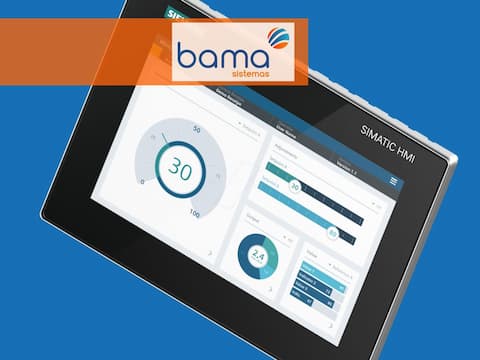
HMI (Human-Machine Interface)
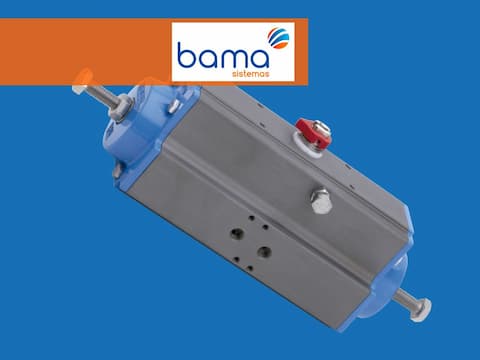
Actuators
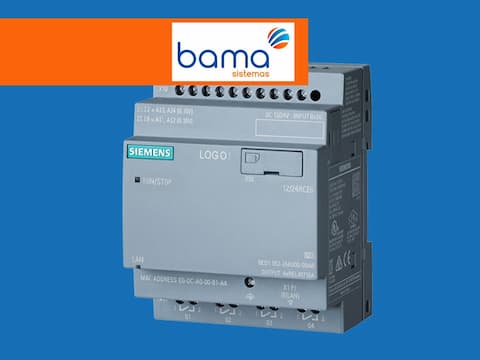
PLC (Programmable Logic Controllers)
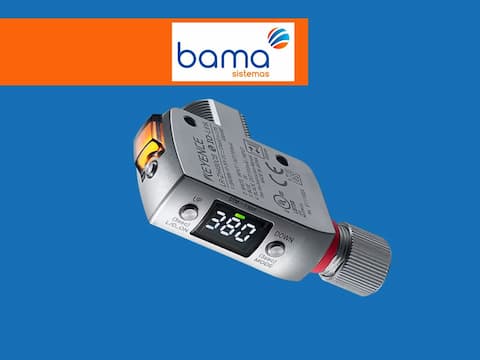
Sensors
Examples of Industrial Automation
Automation has radically transformed the way modern industries operate, optimizing processes, increasing efficiency, and reducing costs. Below are some examples of how automation is applied in various industrial areas:
Automation in automobile manufacturing: In the automotive industry, automated systems are used to assemble vehicles efficiently and precisely. Robots are used for welding, painting, and assembling components, enabling rapid and uniform production of automobiles.
Automation in the food industry: In food production, automated systems are used for processing, packaging, and labeling products. This ensures quality and food safety, while increasing production speed and reducing human errors.
Automation in the pharmaceutical industry: In drug manufacturing, automated systems are used to dose, mix, and package pharmaceutical products. This ensures precision in dosages and reduces the risk of contamination, complying with strict quality and safety standards.
Automation in the agri-food industry: In post-harvest processes, automation performs all depalletizing and palletizing, sorting, weighing, and bagging processes, thus taking on heavy and repetitive tasks, increasing hygiene, and reducing time and costs.
Automation in the chemical industry: In the production of chemical products, automated systems are used for process control, ingredient mixing, and product packaging. This ensures precision in formulations and reduces the risk of errors.
If you need more information or believe we can help you improve your industry’s processes through industrial automation, do not hesitate to write or call us. We will assist you without obligation and offer you the best solutions tailored to your needs.