
Industry 4.0 has radically transformed the way companies operate, integrating advanced technologies such as artificial intelligence (AI), the Internet of Things (IoT), automation, and cloud connectivity. In this context, robotics has become a fundamental pillar, driving efficiency, flexibility, and innovation in industrial processes. As we move towards 2025 and project towards 2030, trends in robotics are paving the way for a future where robotic systems will be more autonomous, collaborative, and adaptive.
Artificial Intelligence as the Driving Force of Robotics
Artificial intelligence (AI) has become the core of industrial robotics’ evolution, driving advancements that once seemed like science fiction. Thanks to the combination of technologies such as machine learning, deep learning, and natural language processing (NLP), robots have evolved from simple programmable machines into intelligent systems capable of learning, adapting, and making autonomous decisions, thus innovating industrial robotic programming.
Cognitive Robots and Machine Learning
Cognitive robots represent the next generation of industrial automation. These systems are equipped with AI algorithms that allow them to analyze large volumes of data in real time, learn from it, and continuously improve their performance. For example, on a production line, a robot with cognitive capabilities can identify product defects using computer vision and adjust its operations to correct errors without human intervention.
Deep learning, a branch of machine learning, plays a crucial role in this process. It uses artificial neural networks to mimic the functioning of the human brain, enabling robots to recognize complex patterns and make data-driven decisions. Furthermore, natural language processing (NLP) allows robots to interact with human operators, interpreting verbal or written commands and executing tasks more efficiently.
Predictive Robotics and Autonomous Maintenance
Another area where AI is transforming robotics is in predictive maintenance. Modern industrial robots are equipped with advanced sensors that collect real-time data on machinery status, such as vibrations, temperature, and pressure. This data is processed by AI algorithms that identify abnormal patterns and predict potential failures before they occur.
This approach not only reduces unplanned downtime but also optimizes resources by performing preventive maintenance autonomously. For example, a robot can detect that an engine is operating outside its normal parameters and schedule a shutdown for inspection before a serious breakdown occurs. This not only saves costs associated with emergency repairs but also extends the lifespan of equipment.

Additionally, predictive robotics allows companies to adopt a proactive approach to asset management, improving operational efficiency and reducing environmental impact by minimizing resource waste.
Collaborative Robotics (Cobots) in Production
Cobots, or collaborative robots, are revolutionizing the industry by working side-by-side with humans in production environments. Unlike traditional industrial robots, which typically operate in isolated areas for safety reasons, cobots are designed to interact directly with people, thanks to advanced technologies (robot sensors) that ensure a safe and efficient working environment.
Flexibility in Dynamic Tasks
One of the greatest benefits of cobots is their flexibility. These new technology robots can be quickly reprogrammed to adapt to different tasks, making them ideal for production environments where processes frequently change. For example, in an electronics factory, a cobot might be assembling components in the morning and, in the afternoon, be reconfigured to perform packaging tasks. This eliminates the need to invest in multiple specialized machines, reducing costs and maximizing resource utilization.
Advanced Safety
Safety is a fundamental pillar in the design of cobots. These robots are equipped with robot sensors, such as 3D cameras and force detection systems, that allow them to detect the presence of humans and stop their movements in milliseconds if there is a risk of collision. Additionally, many cobots have soft, rounded surfaces to minimize impact in case of accidental contact. This allows operators to work alongside robots without the need for physical safety barriers, optimizing factory space.

Efficiency and Cost Reduction
Cobots are not only safe and flexible but also highly efficient. Their implementation does not require major modifications to existing infrastructure, which reduces installation times and associated costs. For example, on a car production line, a cobot can be installed in one day to assist with welding tasks, increasing productivity without disrupting the workflow. Furthermore, their ability to work 24 hours a day without fatigue optimizes production times and reduces bottlenecks.
Case Study: Cobots in the Food Industry
A clear example of the use of cobots is in the food industry, where hygiene and precision are critical. In a dairy packaging plant, cobots are used to place caps on bottles and organize them into boxes. Thanks to their artificial vision sensors, they can identify misplaced bottles or defective caps, ensuring consistent quality control. Moreover, by working alongside human operators, cobots enable increased production without compromising safety or product quality.
Autonomy and Mobility: Autonomous Vehicles and Robots
Autonomy and mobility are two of the most important pillars in the evolution of industrial robotics. Autonomous vehicles and robots are transforming the way companies manage their operations, especially in sectors such as logistics, mining, and construction. Below, we delve into the two main categories: autonomous vehicles and industrial drones.
Autonomous Vehicles in Logistics
AGVs (Automated Guided Vehicles) and AMRs (Autonomous Mobile Robots) are revolutionizing internal logistics in warehouses and distribution centers. These systems are designed to transport materials autonomously, optimizing workflow and reducing reliance on human labor.
- AGVs (Automated Guided Vehicles): These vehicles operate by following predefined routes, generally using embedded wires, magnets, or laser markers. They are ideal for controlled and repetitive environments, such as production lines or warehouses with fixed routes.
- AMRs (Autonomous Mobile Robots): Unlike AGVs, AMRs use advanced sensors, digital maps, and artificial intelligence algorithms to navigate autonomously in dynamic environments. They can avoid obstacles, adapt to changes in the environment, and optimize their routes in real time.
By 2030, these systems are expected to be even more intelligent and capable of operating in more complex environments, such as multi-level warehouses or distribution centers with variable workflows. This will enable more efficient logistics, reducing operational costs and improving inventory management accuracy.

Industrial Drones
Industrial drones are gaining ground in sectors where inspection and monitoring are critical. These unmanned devices offer an efficient and safe solution for tasks that previously required human personnel in dangerous or hard-to-reach conditions.
- Applications in logistics: In large warehouses, drones can perform automated inventories, scanning barcodes on high shelves and sending real-time data to inventory management systems.
- Industrial inspection: In sectors such as mining, construction, and energy, drones can inspect critical infrastructure, such as communication towers, pipelines, or power plants, reducing risks for workers and minimizing downtime.
- Security and surveillance: Drones are also used to monitor large areas, such as industrial parks or port facilities, providing an additional layer of security.

Industrial drones are expected to integrate technologies such as artificial intelligence and 5G, which will allow them to perform more complex tasks, such as early detection of machinery failures or delivery of supplies in remote areas.
4. Soft and Biomimetic Robotics: Inspired by Nature
Soft robotics represents one of the most innovative and promising areas of current robotic technology. Unlike traditional robots, which are built with rigid materials such as metal and plastic, soft robots use flexible materials, such as elastomers, gels, and smart fibers, that allow them to mimic the movements and behaviors of biological organisms. This branch of robotics, known as biomimetics, is inspired by nature to create robotic systems that can interact with the environment more safely, efficiently, and adaptably.
Handling Fragile Objects
In sectors such as the food and pharmaceutical industries, handling delicate products is a constant challenge. Traditional robots, with their rigid structures, can damage fragile products such as fruits, vegetables, medicines, or medical devices. Soft robots, on the other hand, are designed to handle these objects with extreme delicacy, thanks to their ability to adapt to the shape and texture of what they are manipulating.
- Applications in the food industry: Soft robots can sort and package fruits and vegetables without causing damage, reducing waste and improving efficiency in production lines.
- Pharmaceuticals: In drug manufacturing, these robots can handle pills, capsules, and other sensitive components with millimeter precision.

Medicine: Soft Surgical Robots
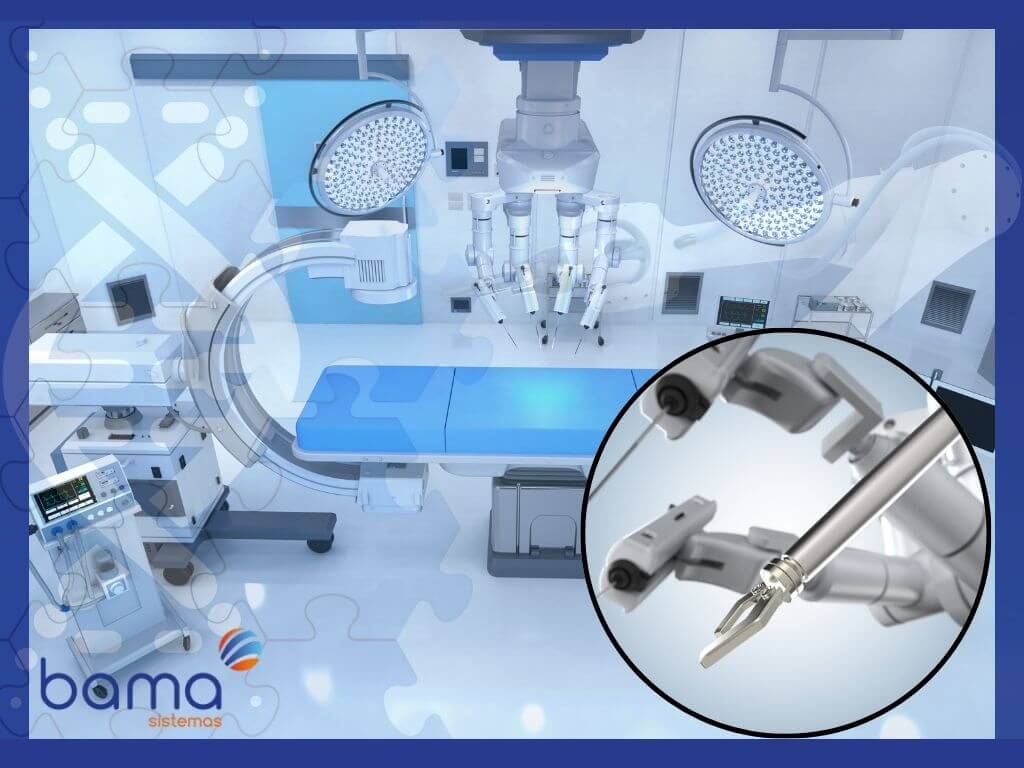
In the field of medicine, soft robots are revolutionizing surgical and diagnostic procedures. Their flexibility and adaptability make them ideal for minimally invasive interventions, where precision and safety are critical.
- Robotic surgery: Soft surgical robots can navigate the human body more easily than rigid instruments, reducing the risk of damage to surrounding tissues.
- Endoscopies and diagnostics: These robots can reach areas of the body that are difficult to access, such as the gastrointestinal tract or blood vessels, providing real-time images and data.
Exploration in Hostile Environments
Soft robots are also proving to be invaluable tools in the exploration of hostile environments, where traditional robots cannot operate efficiently. Their ability to adapt to extreme conditions makes them ideal for missions in space, the ocean depths, or natural disaster zones.
- Space exploration: Soft robots can be used to collect samples on planets or moons with irregular surfaces, such as Mars or Europa (Jupiter’s moon).
- Oceanography: In the depths of the ocean, these robots can study marine ecosystems without disturbing the environment, thanks to their soft and non-invasive design.
- Rescue in disaster zones: In areas affected by earthquakes or collapses, soft robots can navigate through debris and confined spaces to locate survivors.
Robotics in Customized Manufacturing
Customized manufacturing has become a key trend in modern industry, driven by the growing demand for products tailored to the specific needs of consumers. In this context, flexible robotics is playing a fundamental role, allowing companies to make rapid adaptations to their production lines without compromising efficiency or quality. Thanks to technologies such as additive manufacturing (3D printing) and advanced automation, companies can offer customized solutions more efficiently, while reducing material waste and operating costs.
Additive Manufacturing (3D Printing)
Additive manufacturing, commonly known as 3D printing, is one of the most disruptive technologies in customized manufacturing. Unlike traditional methods, which usually involve material removal (as in milling or turning), 3D printing builds objects layer by layer, allowing for greater design freedom and customization.
- Mass customization: 3D printing allows for the creation of unique products without the need for expensive molds or tools. This is especially useful in sectors such as fashion, medicine (customized prosthetics), and the automotive industry (tailor-made parts).
- Waste reduction: By using only the necessary material to build each part, 3D printing minimizes waste, making it a more sustainable option.
- Rapid prototyping: Companies can design, test, and adjust products in a matter of hours, accelerating time to market.

Advanced Automation and Flexible Robotics
Flexible robotics is essential for customized manufacturing, as it allows machines to adapt quickly to changes in design or product requirements. Unlike traditional robots, which are programmed to perform repetitive tasks, flexible robots can be easily reprogrammed to handle different products or processes.
- Rapid production changes: Flexible robots can switch from one task to another in minutes, which is ideal for production lines that handle multiple customized products.
- Human-robot collaboration: Cobots (collaborative robots) work alongside human operators, allowing for greater flexibility in production and facilitating customization.
- Precision and quality: These robots ensure that each customized product meets quality standards, regardless of design variations.

The combination of additive manufacturing and flexible robotics is transforming various industrial sectors:
- Automotive: Manufacturing of customized parts for vehicles, such as ergonomic seats or control panels adapted to the driver.
- Fashion and footwear: Creation of tailor-made shoes and clothing, using 3D scans of the customer’s body.
- Medicine: Production of customized prosthetics, implants, and medical devices, designed specifically for each patient.
- Consumer electronics: Manufacturing of electronic devices with unique designs, such as personalized phones or headphones.
Robots with 5G Connectivity and the Internet of Things (IoT)
The integration of 5G technology and the Internet of Things (IoT) is transforming industrial robotics, taking automation to an unprecedented level. These technologies enable ultra-fast communication and real-time coordination between robots, control systems, and operators, which is revolutionizing the way companies manage their production processes.
Greater Coordination Between Robots
One of the biggest advances offered by 5G is the ability for robots to work together more efficiently. Thanks to the low latency and high bandwidth of this technology, robots can exchange data in real time, allowing them to synchronize their movements and tasks with millimeter precision.
- Applications in production lines: In a factory, several robots can collaborate on assembling a product, sharing information about the progress of each stage and adjusting their actions accordingly.
- Automated logistics: In warehouses, mobile robots can coordinate to transport materials efficiently, avoiding collisions and optimizing routes.
Cloud Processing
5G allows robots to connect to cloud control systems with extremely low latency. This means that data generated by robots can be processed and analyzed in real time, facilitating instant decision-making and process optimization.
- Predictive analytics: Robots can send data about machinery status to the cloud, where artificial intelligence (AI) algorithms can predict failures and schedule preventive maintenance.
- Continuous learning: Robots can learn from data shared in the cloud, improving their efficiency and adaptability over time.
The combination of 5G and IoT is taking industrial robotics to a new level of efficiency and flexibility. These technologies not only improve coordination and data processing but also enable remote automation, opening new possibilities for the industry of the future.
Ethics and Challenges in Industrial Robotics
As robotics expands, ethical and social challenges also arise that must be addressed:
- Impact on employment: It is necessary to develop strategies for job redeployment and worker training in new skills.
- Security and privacy: Mass connectivity requires robust measures against cyberattacks and the protection of sensitive data.
- Regulations and standards: The standardization of robotics will be crucial to ensure its responsible and safe implementation.
A Future of Intelligent and Adaptive Robotics
Robotics in Industry 4.0 is evolving towards more autonomous, collaborative, and efficient systems. With artificial intelligence, 5G, and the IoT as catalysts, the industrial landscape from 2025 to 2030 promises unprecedented integration between humans and machines, optimizing production and improving the quality of working life.
However, this growth must be accompanied by adequate regulations, training programs for workers, and strategies that balance automation with labor inclusion. The robotics of the future will not only transform industry but will redefine how we interact with technology at all levels.
We hope you found this article of interest.
If you need any additional information to implement robotic and automation trends using robots, please do not hesitate to contact us.