Siemens automation technology has established itself as an essential pillar for the digital transformation of modern industry. From the evolution of the first PLCs to integration with IoT and cloud platforms, Siemens has created a robust, efficient, and scalable ecosystem that allows companies to optimize their processes, increase productivity, and improve product quality.
Siemens Ecosystem: a comprehensive platform for industrial automation
Siemens does not offer isolated solutions, but rather a complete technological architecture that covers the entire production life cycle. This enables fully integrated automation, from the sensor to the cloud.
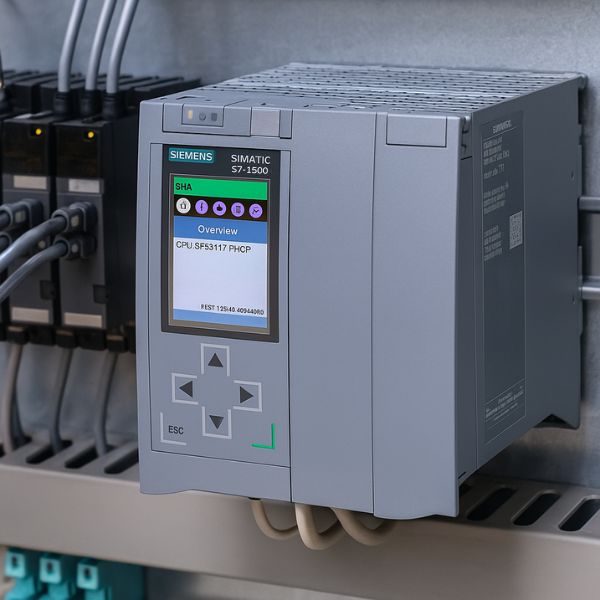
SIMATIC PLC and TIA Portal: the core of control
SIMATIC controllers, combined with the TIA Portal engineering environment, allow for efficient, secure, and reusable programming. These solutions have replaced old relay systems, offering programmable logic, redundancy, real-time diagnostics, and advanced connectivity via PROFINET or OPC UA.
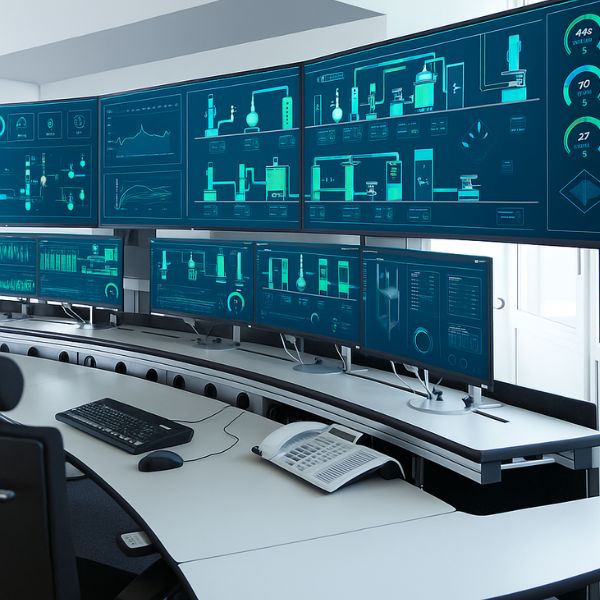
WinCC and PCS 7 SCADA/HMI systems: advanced supervision and distributed control
Process supervision is key in sectors such as chemicals, energy, and automotive. Siemens offers everything from intuitive HMI interfaces to complex SCADA/DCS systems like PCS 7, ideal for continuous processes. These tools enable centralized control, alarm management, historical analysis, and industrial security.
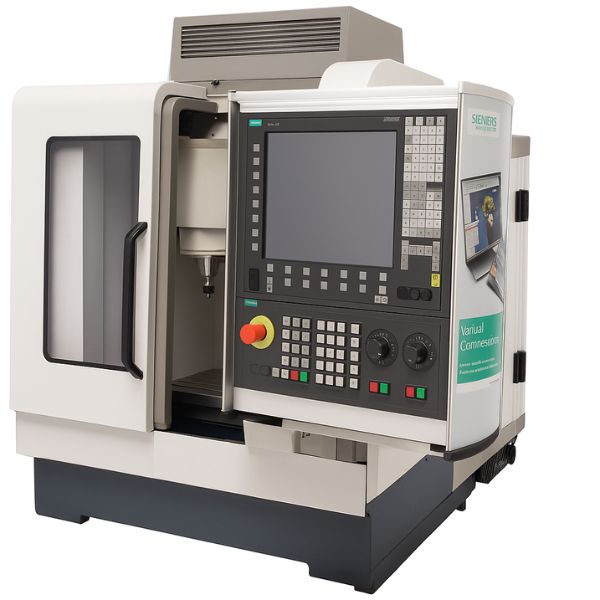
SINAMICS and SINUMERIK: high-performance drives and CNC
SINAMICS variable frequency drives control industrial motors with precision and energy efficiency, while SINUMERIK CNCs enable high-precision machining in discrete manufacturing. Both integrate perfectly with the rest of the Siemens ecosystem.
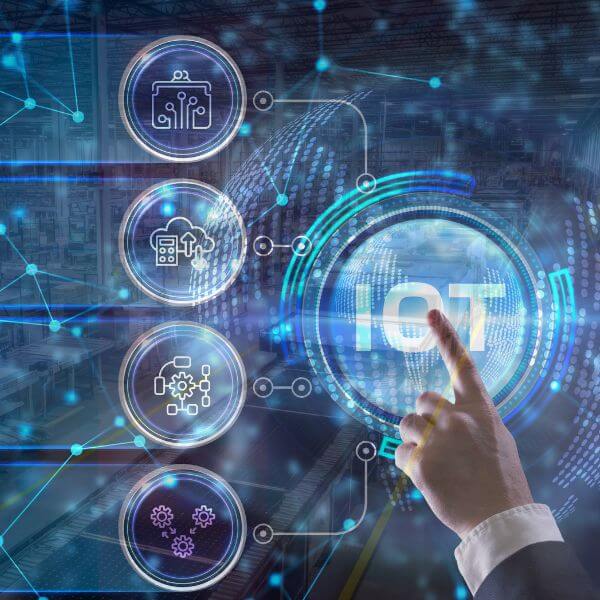
IoT, digital twins, and MindSphere: towards Industry 4.0
MindSphere connects physical equipment with digital applications through adapters or PLCs with native connectivity. This platform enables predictive maintenance, performance analysis, and virtual process simulation using digital twins.
Integrated cybersecurity: industrial defense-in-depth
Siemens applies the “Defense-in-Depth” strategy in compliance with regulations such as IEC 62443. It integrates security functions into hardware, software, and networks, ensuring a cyber-secure environment from the sensor to the cloud.
Comparison: why Siemens over other automation brands?
While other manufacturers like ABB, Schneider, or Rockwell exist, Siemens stands out for its comprehensive approach, interoperability, scalability, and local technical support.
Scalability, interoperability, and unified environment
Siemens allows companies to start with modular solutions and scale according to their needs, always maintaining perfect integration between devices and software.
Implementation costs and return on investment (ROI)
Real cases like Calvià 2000 show reductions of 15% in energy consumption and 75% in engineering time. These types of results reflect an estimated ROI of between 1 and 3 years in industrial projects.
Integration with ERP, MES, and production systems
Siemens automation facilitates full traceability from the plant floor to enterprise resource planning (ERP) systems, enabling faster and more accurate decisions.
How to choose a Siemens provider: a guide for industrial companies
Selecting the right provider to integrate Siemens technology can make the difference between a successful implementation and a poor investment. In this sense, it is essential to have technological partners who not only master the Siemens platform but also understand the specific challenges of each industry. Below, we present the key aspects you should consider to make the best decision.
Comparison of Spanish companies implementing Siemens solutions
Companies like Konetia Automatización offer proven experience in various industrial sectors, accompanying their clients from diagnosis to commissioning.
Practical recommendations for efficient implementation
Clearly defining requirements, validating compatibility between equipment, planning for maintenance, and training personnel are keys to the success of any project.
The future of Siemens automation: trends that will make a difference
Generative AI and industrial copilots
AI-based assistants are being incorporated to help operators in decision-making through real-time data analysis.
The role of the metaverse and virtual simulations
Siemens is already exploring immersive environments to design and validate factories virtually, reducing testing time and design errors.
Siemens Xcelerator and the industrial standardization of tomorrow
With this platform, Siemens aims to offer open, modular ecosystems prepared for 5G, edge computing, and future scalability.
Siemens: a strategic ally for your plant’s digitalization
Automation with Siemens is not just a technological investment, but a strategy to ensure industrial efficiency, flexibility, and sustainability. Companies like Konetia Automatización are ready to accompany you on this journey toward digital transformation, offering tailored solutions, expert support, and a commitment to results.
Optimize Your Industrial Processes with Automated 3D Inspection
Low-Medium