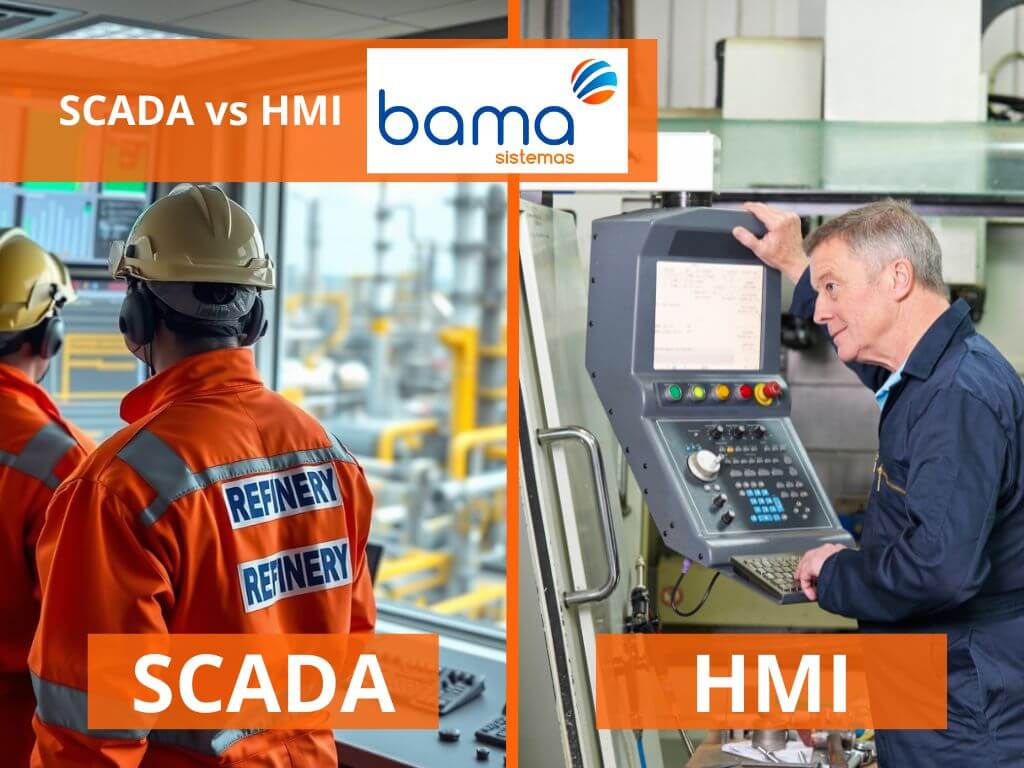
In the field of industrial automation, questions often arise about the differences between SCADA and HMI. Although both systems are related and typically work together, they serve distinct functions that are key to the efficiency and control of industrial processes. In this article, we will explore in detail what HMI is, how it compares to SCADA, its practical applications, and how to choose the right system for your needs.
HMI: Human-Machine Interface
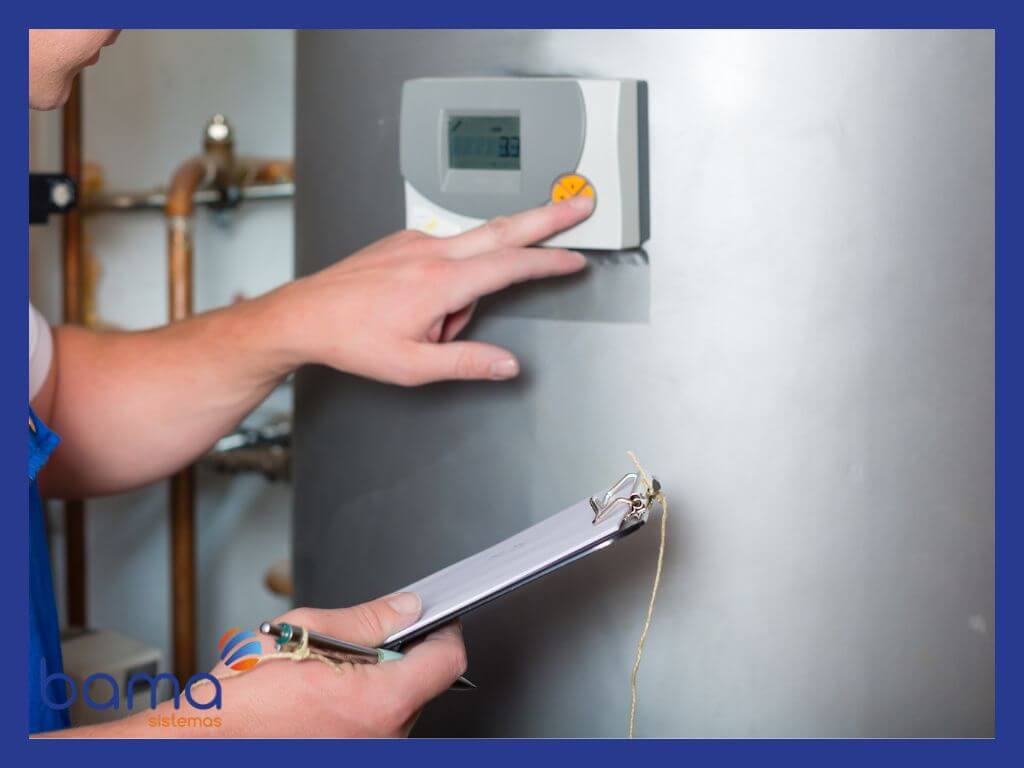
HMI, or Human-Machine Interface, is the part of the system that allows operators to interact directly with industrial equipment and processes. Its primary function is to provide a graphical visualization of data collected by systems such as SCADA, facilitating the monitoring and control of processes.
Key HMI Features:
- Intuitive graphical interface: Displays real-time data through graphs, diagrams, and control panels.
- Local control: Allows operators to adjust parameters and make quick decisions from a touchscreen or computer.
- Alerts and notifications: Issues visual and audible alarms in case of failures or process deviations.
Common HMI Forms:
- Touchscreens integrated into machines or control panels.
- Specialized software on computers.
- Mobile devices for remote access.

SCADA: The Supervisory Control System
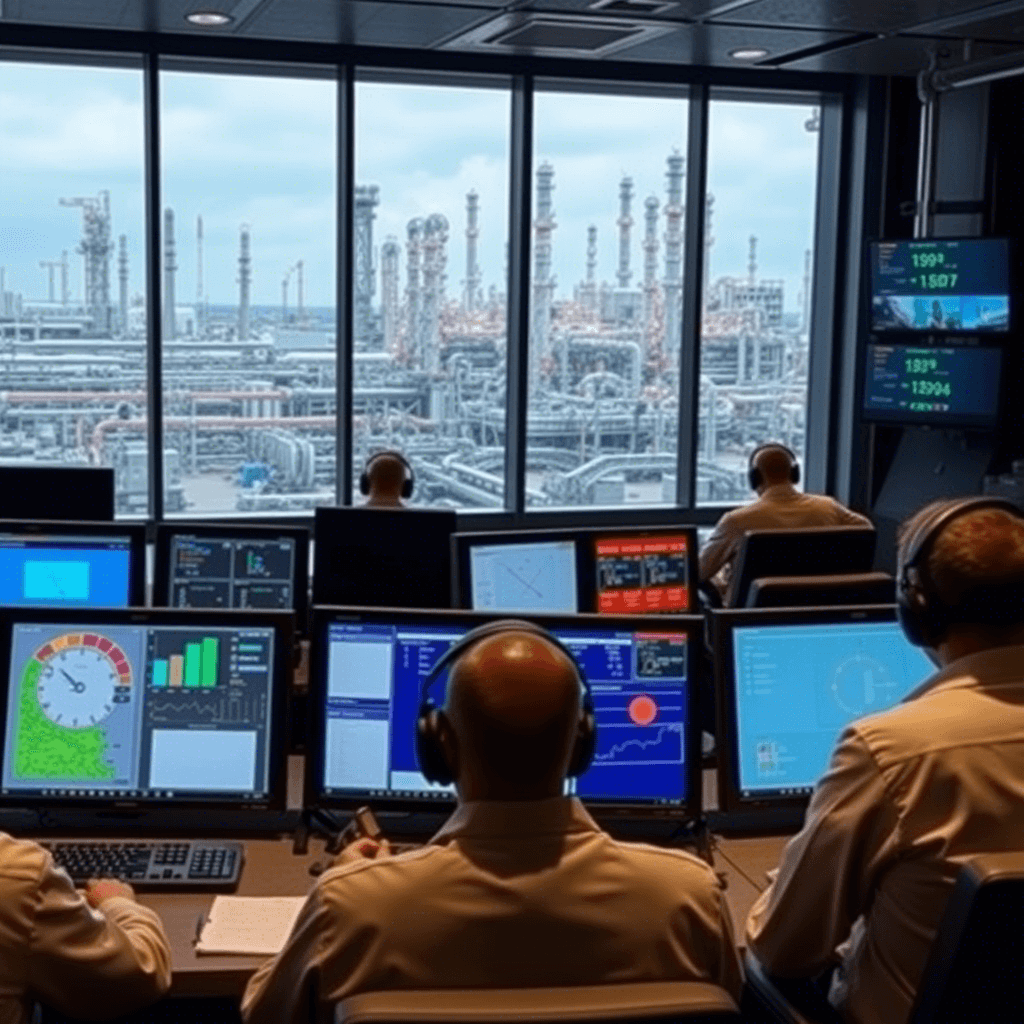
SCADA, or Supervisory Control and Data Acquisition, is a broader system that supervises and controls large-scale industrial processes. It collects data from sensors and field devices, processes it, and stores it on central servers for analysis.
Key SCADA Features:
- Real-time supervision: Monitors extensive industrial processes, such as power plants or water distribution systems.
- Remote control: Enables management of equipment and machinery from a central location.
- Report and alarm generation: Facilitates data-driven decision-making.

Differences Between SCADA and HMI
Although HMI is an integral part of SCADA systems, there are fundamental differences between the two. Below is a comparative table to help you clearly understand their characteristics and uses:
| Feature | SCADA | HMI |
|---|---|---|
| Definition | Supervisory control and data acquisition system | Visual interface for interacting with the system installed on-site |
| Scope | Manages and monitors large-scale industrial processes | Provides data access at a specific point |
| Functions | Data acquisition, alarm generation, reports, remote control | Real-time data visualization and process control |
| User Interaction | Data stored on central servers for global supervision | Intuitive graphical screens for the operator |
| Usage Examples | Power plants, manufacturing, water treatment, traffic control | Control panels on production lines |
Practical Applications of SCADA and HMI
Example 1: Plastic Container Factory
- SCADA collects data: Sensors measure variables such as temperature, pressure, and machine speed.
- Processing and storage: Data is sent to central servers for analysis.
- Visualization on HMI: An operator monitors the data on a touchscreen. If the temperature exceeds the permitted limit, the SCADA system triggers an alarm on the HMI.
- Process control: The operator adjusts parameters from the HMI to correct the problem.
Example 2: Water Treatment Plant
- SCADA supervises the system: Monitors water flow, chemical levels, and pump status.
- HMI facilitates interaction: Operators use touchscreens to control pumps and adjust treatment levels.
When to Use SCADA and When to Use HMI?
When to Choose SCADA?
- You need to supervise and control large-scale industrial processes.
- You require storage and analysis of historical data.
- Your system involves multiple devices and remote locations.
When to Choose HMI?
- You need a local interface to monitor and control specific machines.
- Your operation is smaller and does not require remote supervision.
- You are looking for an economical and simple solution to visualize real-time data.
Integration of SCADA and HMI in Industry 4.0
In the era of Industry 4.0, the integration of SCADA and HMI systems has become a fundamental pillar for optimizing industrial processes, enabling operations to be more efficient, secure, and connected. The convergence of these technologies facilitates the digitalization of industry and the adoption of solutions based on the Internet of Things (IoT), cloud computing, and artificial intelligence, which improves responsiveness to unforeseen events and optimizes resource management.
Both systems work in a complementary manner to provide more precise and advanced control, which is key in automated production environments. Their main benefits include:
- Facilitating real-time decision-making.
- Improving operational efficiency through automation.
- Enabling remote monitoring via mobile devices and the cloud.
Furthermore, the integration of SCADA and HMI within the Industry 4.0 framework not only improves productivity but also drives industrial sustainability by optimizing resource use, reducing waste, and minimizing environmental impact.
Frequently Asked Questions (FAQ)
1. Can HMI be used without SCADA?
Yes, it is possible to use HMI without SCADA in small operations where remote supervision or historical data storage is not required. However, in more complex systems, both work together.
2. Which is more expensive, SCADA or HMI?
SCADA is typically more expensive due to its complexity and capacity to manage large volumes of data. HMI is more economical and focuses on local interaction.
3. How are SCADA and HMI integrated in Industry 4.0?
In Industry 4.0, SCADA and HMI are integrated through technologies such as IoT (Internet of Things) and the cloud, enabling more advanced and connected control and monitoring.
How to Choose Between SCADA and HMI
SCADA and HMI are two complementary systems that play key roles in industrial automation. While SCADA handles large-scale supervision and control, HMI provides an intuitive interface for operators to interact with real-time data. In many cases, both systems complement each other and work together to deliver complete and efficient industrial control, adapting to the particular needs of each operation. Understanding their differences and applications will help you choose the right system to optimize your industrial processes.
We hope this information has been useful in helping you better understand how to choose between SCADA and HMI according to your needs.
If you need more information to implement automation solutions, please do not hesitate to contact us. We will be happy to assist you.